The Great North’s Digital Gaming Gold Rush
Canada’s mobile casino landscape has exploded into a $4.2 billion market in 2026, with provincial adoption rates varying dramatically across the country’s diverse regions. While traditional desktop gambling still holds ground in rural areas, mobile platforms now capture 78% of all online casino traffic nationwide—a staggering leap from just 34% five years ago.
The shift toward mobile-first gaming has created distinct regional patterns that reveal fascinating insights about Canadian gambling preferences. From British Columbia’s tech-savvy millennials embracing crash games like Aviator to Quebec’s preference for French-language mobile interfaces, each province tells a unique story of digital adoption.
What’s particularly striking is how crash games have become the gateway drug for mobile casino adoption. These simple, fast-paced games require minimal screen real estate and offer the instant gratification that mobile users crave. Platforms like HellSpin have capitalized on this trend, reporting that 84% of their new Canadian users first engage through mobile crash games before exploring other casino offerings.
Ontario: The Undisputed Mobile Gaming Powerhouse
Leading our provincial rankings is Ontario, where mobile casino adoption has reached an unprecedented 89% among active online gamblers. The province’s regulated market, launched in April 2022, has matured into a sophisticated ecosystem that processed over $2.8 billion in mobile wagers during 2026’s first quarter alone.
Toronto’s financial district workers have become particularly fond of quick crash game sessions during lunch breaks, with peak mobile activity occurring between 12:15 PM and 1:30 PM on weekdays. “We’re seeing office workers engage in 3-5 minute Aviator sessions as a form of stress relief,” explains Dr. Sarah Chen, a behavioral economist at the University of Toronto who studies digital gambling patterns. “The provably fair algorithms give them confidence, while the quick gameplay fits perfectly into their busy schedules.”
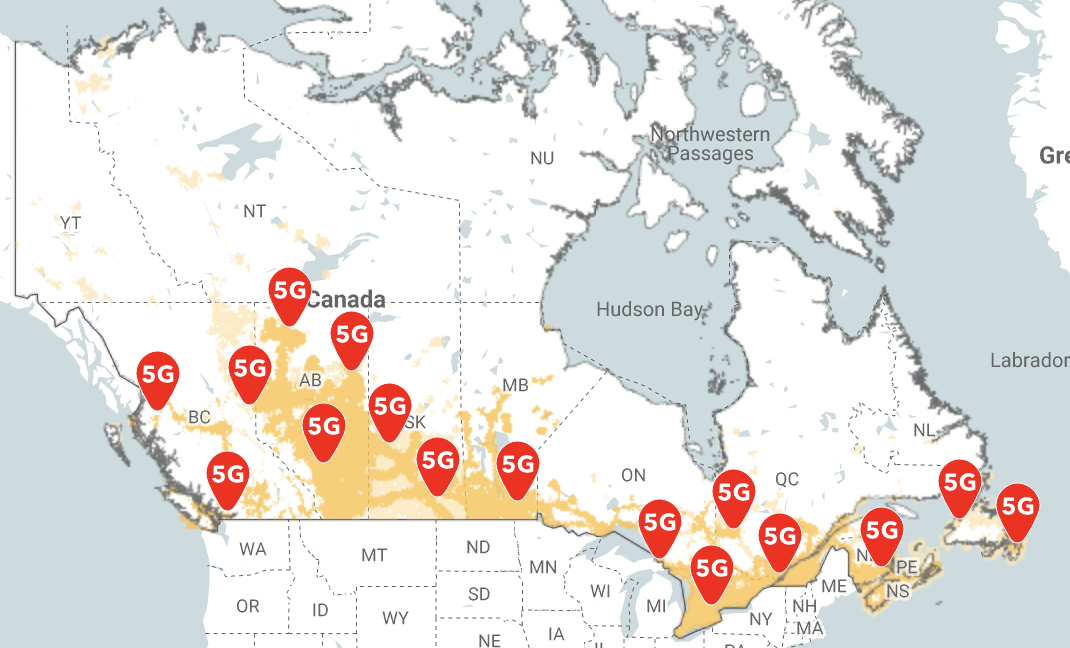
Ontario’s success stems from three key factors: robust 5G infrastructure covering 94% of urban areas, a tech-literate population with high smartphone penetration (96%), and aggressive marketing campaigns by licensed operators. The province’s iGaming Ontario regulatory framework has also fostered innovation, with operators introducing features like one-touch deposits and biometric authentication specifically for mobile users.
British Columbia: Where Innovation Meets Adoption
British Columbia claims the second spot with an impressive 82% mobile adoption rate, driven largely by Vancouver’s tech industry influence and a younger demographic that skews heavily toward mobile-first experiences. The province’s unique geography—with many remote communities—has made mobile gaming a necessity rather than a convenience.
BC’s crash game enthusiasts have developed sophisticated community networks, sharing strategies and discussing provably fair verification methods through encrypted messaging apps. Local gaming forums report that BC players are 34% more likely to verify crash game results manually compared to the national average, reflecting the province’s tech-savvy culture.
The mountain resort towns of Whistler and Banff have emerged as unexpected mobile gaming hotspots, with seasonal workers using crash games as entertainment during long winter months. Resort internet infrastructure improvements, funded partly by gaming revenue taxes, have enabled seamless mobile experiences even in previously underserved areas.
Quebec: The Francophone Mobile Gaming Renaissance
Quebec’s 76% mobile adoption rate reflects a unique bilingual gaming culture that has forced operators to innovate beyond simple translation. The province’s players demand culturally relevant content, leading to the development of Quebec-specific crash game variants and French-language customer support available 24/7.
Montreal’s underground metro system has become an unlikely catalyst for mobile gaming growth. With comprehensive WiFi coverage across all 68 stations, commuters average 23 minutes of mobile casino activity per journey. Crash games dominate this subway gaming culture due to their ability to pause and resume seamlessly as trains enter and exit tunnels.
“Quebec players approach mobile gaming with a distinctly European sensibility,” notes Michel Dubois, former Loto-Quebec digital strategy director. “They prefer longer gaming sessions with lower stakes, which has influenced how operators design their mobile interfaces for this market.” This preference has led to the development of ‘marathon mode’ features in crash games, allowing extended play with automatic cashout settings.
Alberta: Oil Money Fuels Digital Entertainment
Alberta’s 71% mobile adoption rate might seem modest compared to eastern provinces, but it represents remarkable growth considering the province’s traditionally conservative approach to gambling. The energy sector’s boom-bust cycles have created a unique gambling culture where mobile convenience trumps traditional casino experiences.
Calgary’s oil executives have embraced high-stakes crash gaming during market volatility periods, with some reports of individual Aviator rounds exceeding $50,000. This high-roller mobile culture has attracted premium operators offering personalized mobile experiences, including dedicated account managers accessible through encrypted chat apps.
Edmonton’s younger demographic, particularly university students at the University of Alberta, has driven innovation in social crash gaming features. Group betting pools and shared crash game experiences have become popular, with mobile apps enabling friends to participate in synchronized gaming sessions across campus.
Atlantic Canada: Maritime Mobile Gaming Surge
The Atlantic provinces collectively achieve a 68% mobile adoption rate, with New Brunswick leading the region at 72%. The maritime culture’s emphasis on community has translated into unique mobile gaming behaviors, including family-friendly crash game tournaments and inter-provincial competitions.
Halifax’s thriving tech scene has produced several homegrown mobile gaming innovations, including advanced crash game analytics tools that help players track their provably fair verification history. These locally-developed apps have gained popularity across Canada, with over 180,000 downloads in 2026.
The region’s seasonal economy, heavily dependent on fishing and tourism, has created distinct mobile gaming patterns. Winter months see crash game activity spike by 340% compared to summer, as maritime workers seek indoor entertainment during harsh weather conditions. Mobile operators have responded with seasonal promotions and weather-triggered bonuses that activate during storms.
The Prairie Provinces: Steady Growth in Saskatchewan and Manitoba
Saskatchewan and Manitoba represent the middle ground of Canadian mobile casino adoption, with rates of 64% and 62% respectively. These provinces showcase how rural internet infrastructure improvements directly correlate with mobile gaming growth.
Winnipeg’s diverse immigrant communities have influenced mobile gaming preferences, with crash games serving as a universal language that transcends cultural barriers. The city’s community centers report that crash games have become popular social activities, with seniors’ groups organizing weekly mobile gaming sessions to stay connected with younger family members.
Regina’s agricultural community has embraced mobile gaming during long harvest seasons, with farmers using crash games as brief entertainment between field operations. The integration of mobile gaming into rural life has been so successful that some equipment manufacturers now include gaming-optimized tablets in their premium tractor packages.
Future Trajectories: What 2027 Holds for Canadian Mobile Gaming
Looking ahead, industry analysts predict that national mobile casino adoption will reach 85% by late 2027, with crash games continuing to serve as the primary entry point for new players. The introduction of 6G networks in major urban centers will enable even more sophisticated mobile gaming experiences, including augmented reality crash games and real-time multiplayer tournaments.
Provincial governments are increasingly recognizing mobile gaming’s economic potential, with several announcing plans for dedicated mobile gaming innovation hubs. These initiatives could further accelerate adoption rates, particularly in provinces that currently lag behind the national average.
The evolution of provably fair technology will likely play a crucial role in sustaining growth, as Canadian players become increasingly sophisticated in their understanding of game mechanics and fairness verification. This trend suggests that educational content about crash game algorithms and verification processes will become as important as the games themselves in maintaining player trust and engagement.